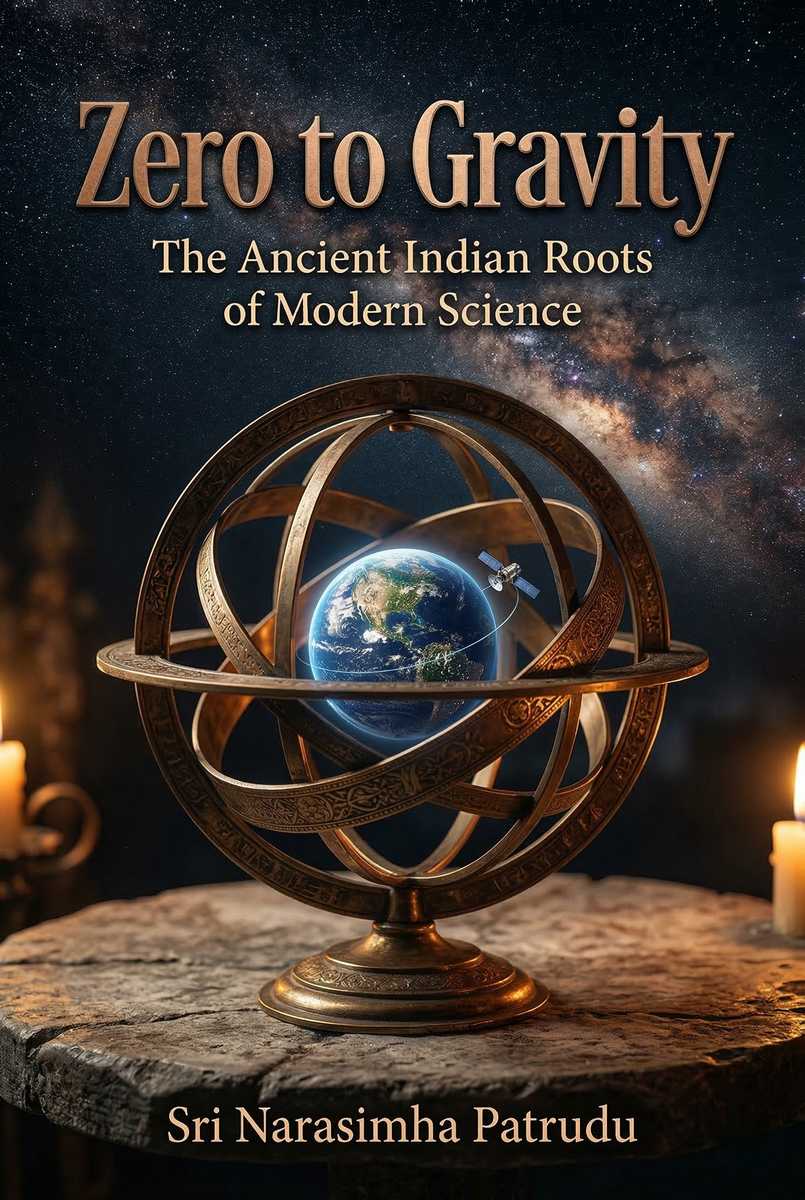
Short Videos
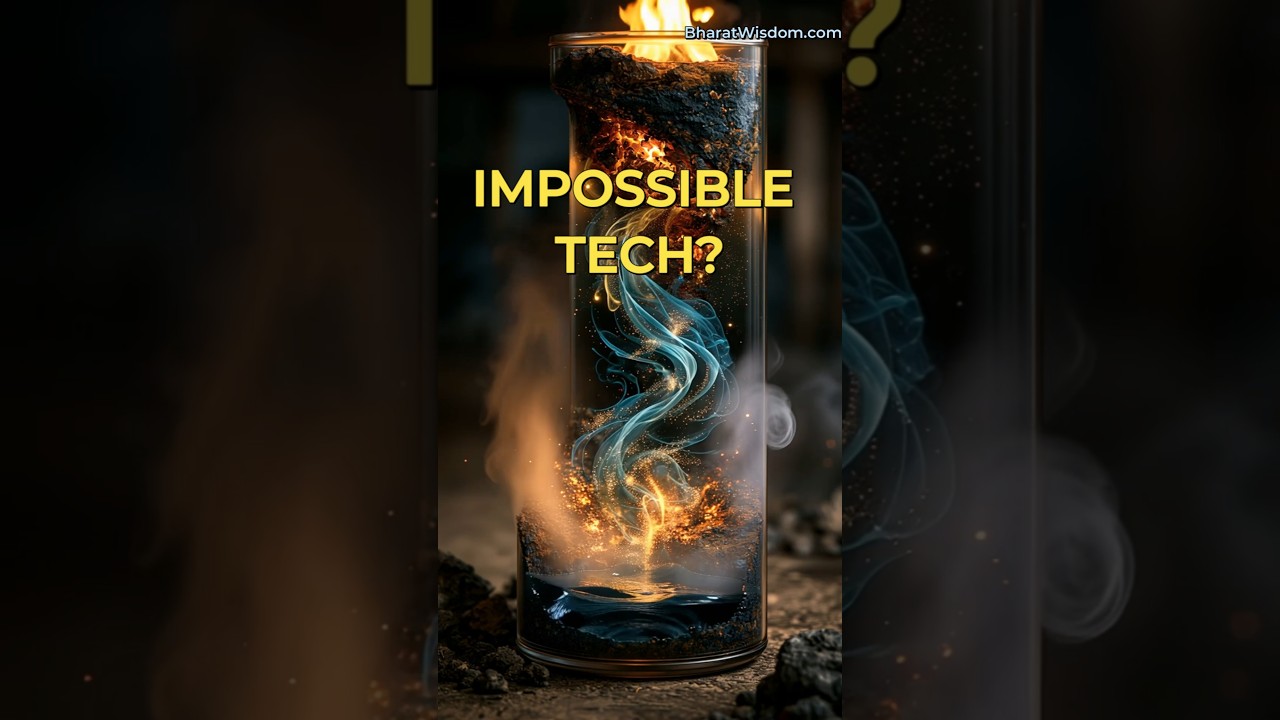
प्राचीन भारत की भूतिया धातु? 🇮🇳 ज़ावर का छिपा रहस्य #IndianHistory #Shorts
सदियों तक जस्ता एक ऐसी धातु थी जो गर्म करने पर गायब हो जाती थी। लेकिन 2000 साल पहले, ज़ावर की खानों में प्राचीन भारतीय धातु विज्ञानियों ने "आसवन द्वारा अवरोहण" की विधि से असंभव को संभव कर दिखाया। इतिहास की पाठ्यपुस्तकों से इस विश्व-परिवर्तनकारी तकनीक को क्यों हटा दिया गया? 📘 प्राचीन भारत के इस लुप्त विज्ञान की पूरी कहानी मेरी पुस्तक में पढ़ें: https://www.bharatwisdom.com/zerotogravity-book/ आपको क्या लगता है कि इतिहास ने इसे क्यों छिपाया? मुझे टिप्पणियों में बताएं! 👇
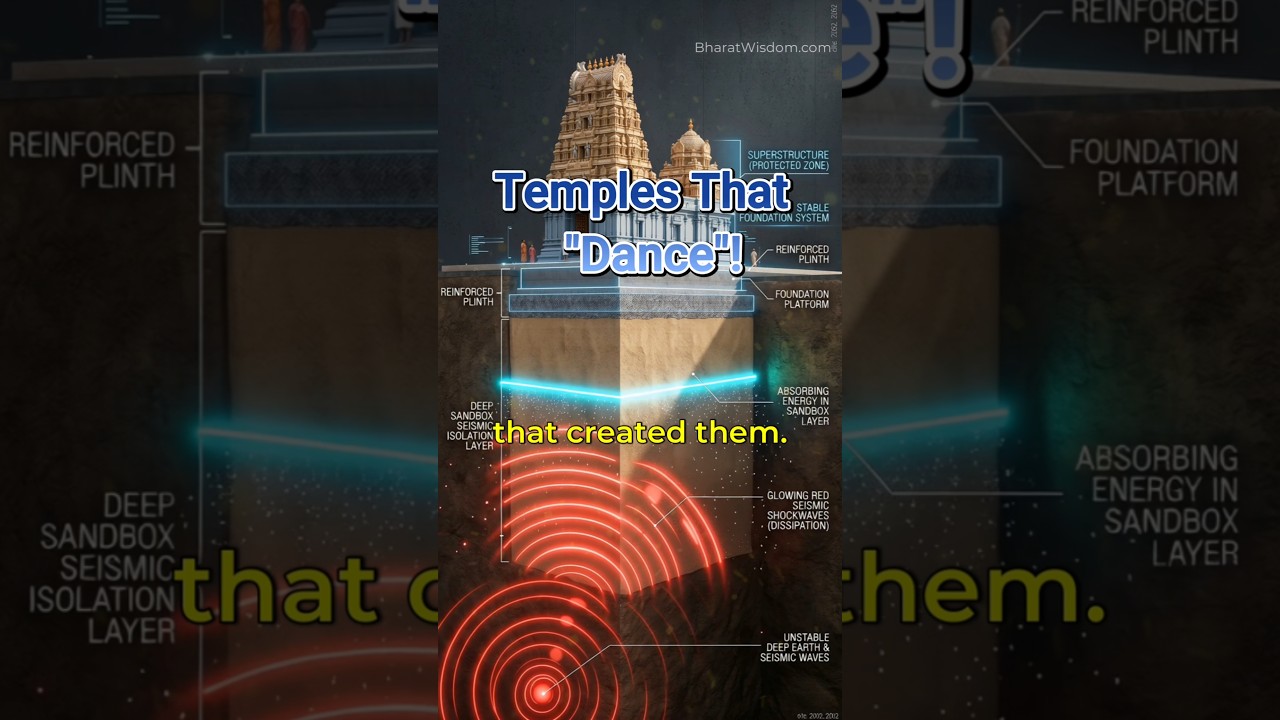
How Ancient Indian Temples Survive Earthquakes | The Secret of Dry Masonry & Sandbox Tech
क्या आप जानते हैं कि प्राचीन भारतीय इंजीनियरों ने ऐसे मंदिर बनाए थे जो भूकंप के झटकों के साथ "नृत्य" कर सकते थे? 🤯 जहाँ आधुनिक गगनचुंबी इमारतें महँगे "भूकंपरोधी यंत्रों" पर निर्भर करती हैं, वहीं बृहदीश्वर जैसे प्राचीन भारतीय मंदिर एक हज़ार वर्षों से भी अधिक समय से भूकंपों का सामना कर रहे हैं। इसका रहस्य "शुष्क चिनाई" में छिपा है—एक ऐसी तकनीक जिसमें विशाल ग्रेनाइट पत्थरों को बिना सीमेंट का उपयोग किए 3D पहेली की तरह आपस में जोड़ा जाता था! यह लचीलापन संरचना को भूकंप के दौरान हिलने-डुलने और कंपन करने की अनुमति देता है, जिसके बाद यह सुरक्षित रूप से अपनी मूल स्थिति में वापस आ जाती है। रामप्पा जैसे मंदिरों में, इंजीनियरों ने "तैरती ईंटों" का भी उपयोग किया, जो इतनी हल्की थीं कि वे अपने ही भार से नहीं गिरती थीं। कंपन को कम करने के लिए "सैंडबॉक्स तकनीक" का उपयोग करके, उन्होंने ऐसे स्मारक बनाए जो उन साम्राज्यों से भी अधिक समय तक टिके रहे जिन्होंने उन्हें बनाया था। प्राचीन भारतीय वास्तुकला के अनकहे इतिहास में गहराई से उतरें! यह वीडियो श्री नरसिम्हा पात्रुदु की पुस्तक "जीरो टू ग्रेविटी: द एन्शिएंट इंडियन रूट्स ऑफ मॉडर्न साइंस" पर आधारित है। प्राचीन भारतीय विज्ञान को जीवंत बनाने के लिए कृत्रिम बुद्धिमत्ता का उपयोग करके दृश्य बनाए गए हैं। यह शोध मेरी पुस्तक "जीरो टू ग्रेविटी" पर आधारित है। 📚 वैश्विक विज्ञान की जड़ों के बारे में अधिक जानने और अन्वेषण करने के लिए, https://www.BharatWisdom.com पर जाएं।
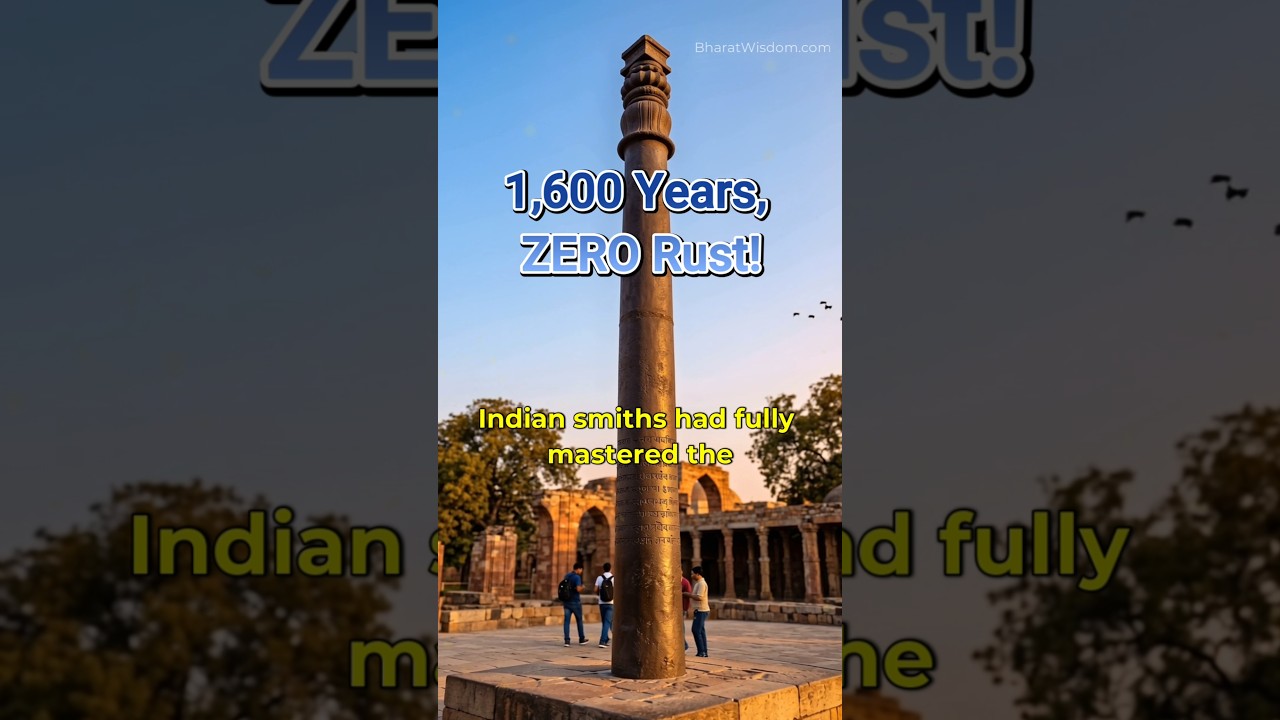
The 1,600-Year-Old Iron Pillar That NEVER Rusts | Ancient India’s Corrosion Science
क्या आप जानते हैं कि दिल्ली के मध्य में एक विशाल लोहे का स्तंभ है जो 1600 वर्षों से अधिक समय से धूप और बारिश में बिना जंग लगे खड़ा है? 🤯 लोहा हवा और नमी के संपर्क में आने पर स्वाभाविक रूप से खराब हो जाता है। जबकि उसी युग का पश्चिमी लोहा बहुत पहले ही चूर-चूर हो गया, गुप्त काल की यह उत्कृष्ट कृति पूरी तरह से सुरक्षित रही। सदियों तक पश्चिमी वैज्ञानिक इससे पूरी तरह से हैरान रहे। इसका रहस्य प्राचीन भारतीय "जंग विज्ञान" की महारत में निहित है। प्राचीन लोहार फोर्ज वेल्डिंग नामक तकनीक का उपयोग करते थे और धातु की सतह पर एक गुप्त "निष्क्रियता" परत बनाने के लिए जानबूझकर फास्फोरस का उच्च स्तर बनाए रखते थे। यह परत एक अदृश्य ढाल की तरह काम करती है, जो लोहे को जंग लगने से रोकती है। यह प्राचीन ज्ञान ही जंग विज्ञान की वह नींव है जो आज हमारे आधुनिक पुलों और पाइपलाइनों की रक्षा करती है! प्राचीन भारतीय धातु विज्ञान के अनकहे इतिहास में गहराई से उतरें! यह वीडियो श्री नरसिम्हा पात्रुडु की पुस्तक "जीरो टू ग्रेविटी: द एन्शिएंट इंडियन रूट्स ऑफ मॉडर्न साइंस" पर आधारित है। कृत्रिम बुद्धिमत्ता (AI) का उपयोग करके कृत्रिम रूप से पुनर्निर्मित दृश्य प्राचीन भारतीय विज्ञान को जीवंत बनाते हैं। यह शोध मेरी पुस्तक "ज़ीरो टू ग्रेविटी" पर आधारित है। पुस्तक डाउनलोड करें: https://www.bharatwisdom.com/zerotogravity-book/ 📚 वैश्विक विज्ञान की जड़ों के बारे में अधिक जानने और अन्वेषण करने के लिए: https://www.BharatWisdom.com
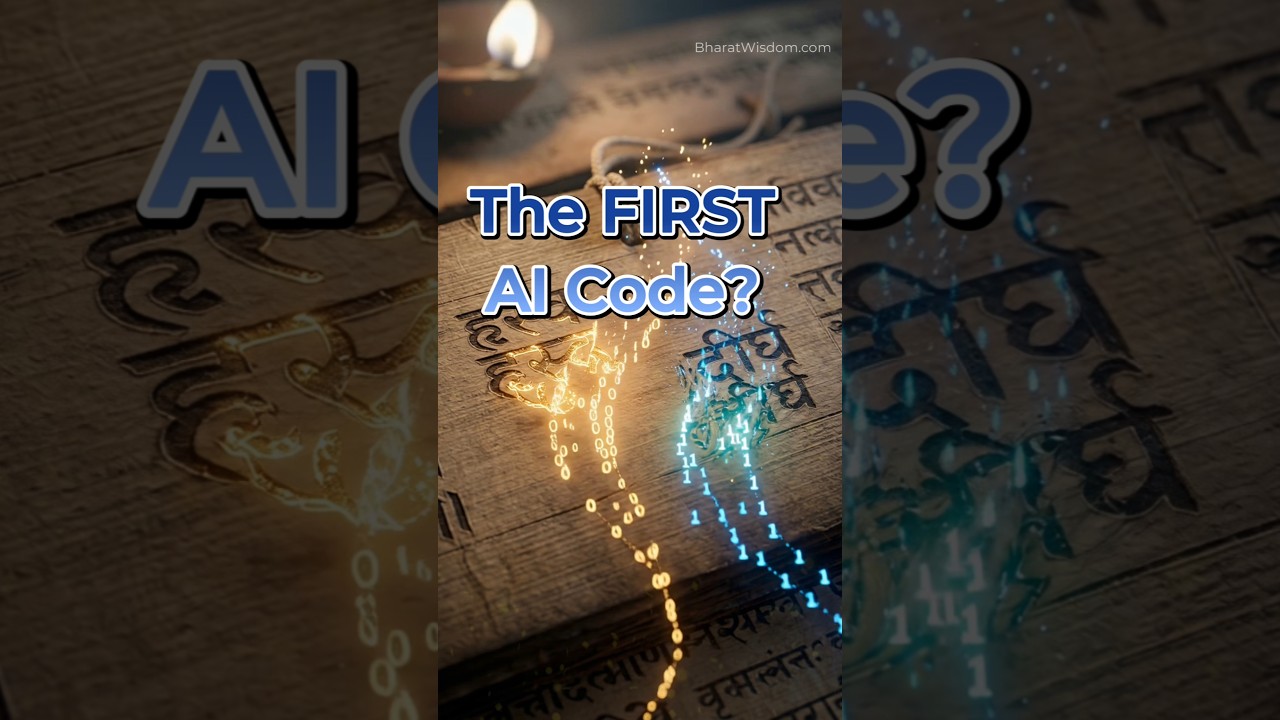
Did an Ancient Indian Sage Invent Binary Code? | The Story of Rishi Pingala
Who really invented the "Machine Language" of the modern world? History books often credit Gottfried Wilhelm Leibniz with inventing the binary system in 1679. But the truth goes back over 5,000 years to ancient India! Long before the first computer chip was ever dreamed of, an Indian sage named Pingala was obsessed with the rhythm of poetry. In his text, the Chandas Shastra, he broke every poetic meter down into ‘Short’ (0) and ‘Long’ (1) syllables. By mapping out halving and doubling algorithms, he effectively created the world's first Binary Code. The ultimate irony? The logic powering today's Artificial Intelligence was originally designed to perfect the chanting of ancient verses. Subscribe/Follow for more mind-blowing stories of ancient Indian science! Visuals synthetically reconstructed using AI to bring ancient indian science to life. Research based on my book Zero To Gravity. 📚 Source: "Zero to Gravity: The Ancient Indian Roots of Modern Science" by Sri Narasimha Patrudu https://www.bharatwisdom.com/zerotogravity-book/
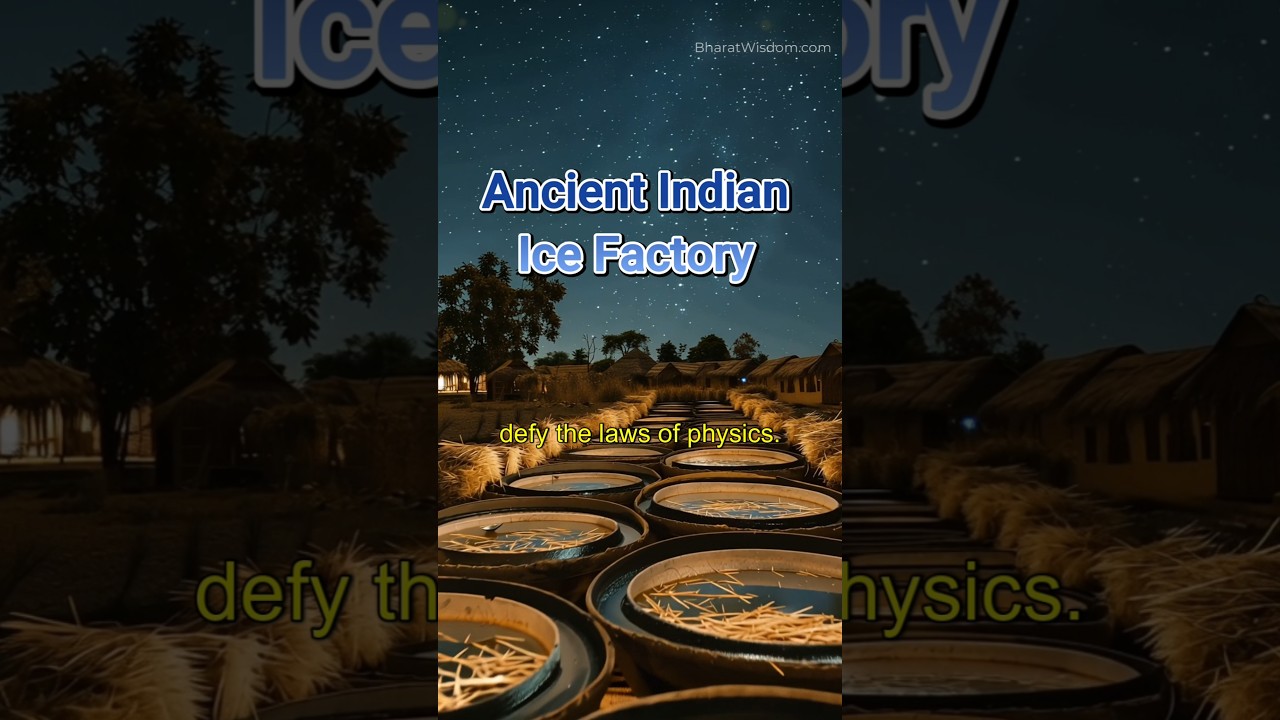
How Ancient India Made Ice Without Electricity | The Secret of Ancient Cryogenics
Did you know that ancient Indians could manufacture ice during warm nights without a single machine? 🤯 In 1775, a British officer named Sir Robert Barker witnessed something in Allahabad that seemed to defy the laws of nature: Indians making ice in the middle of a 41°F summer night! How did they do it? By placing shallow ceramic pans of water on beds of straw in open fields, they utilized a brilliant scientific principle called "Radiative Cooling". The water sent its heat out into the cold, dark night sky, while the straw insulated it from the warm ground. By morning, the pans were completely filled with ice. This ancient mastery of thermodynamics provided refrigeration to Indian cities thousands of years before the first mechanical compressor was ever built! This video is based on the book Zero to Gravity: The Ancient Indian Roots of Modern Science by Sri Narasimha Patrudu. Visuals synthetically reconstructed using AI to bring ancient indian science to life. Research based on my book Zero To Gravity. 📚 Learn more and explore the roots of global science at: https://www.BharatWisdom.com
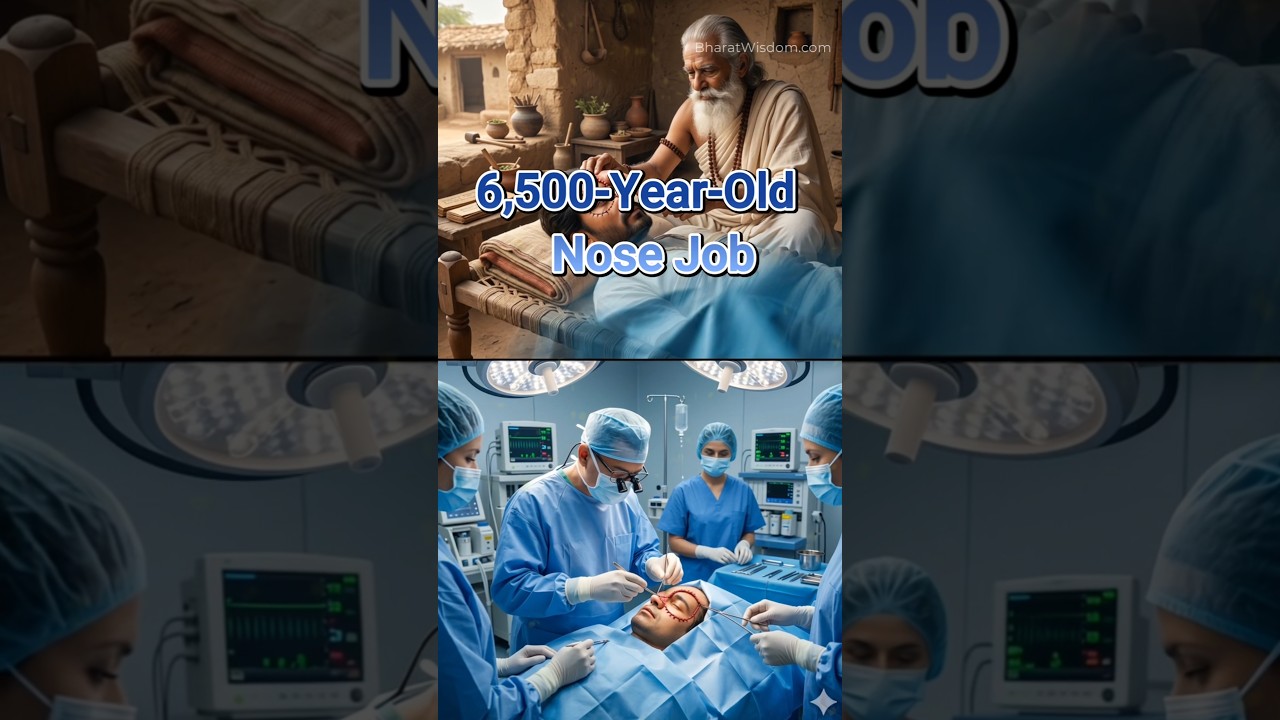
How Ancient India Invented Plastic Surgery (6,500 Years Ago) | The Sushruta Method
Did you know that the "gold standard" for modern reconstructive surgery was actually perfected in ancient India? 🤯 In 1793, two British medical officers watched a humble Indian potter perform what looked like a miracle: reconstructing the mutilated nose of a soldier. But this wasn't a new trick—it was the ancient Sushruta method, documented over 6,500 years ago! Long before modern operating rooms, the ancient surgeon Sushruta realized that a flap of skin could be taken from the forehead or cheek and rotated onto the nose. The genius part? He knew the skin had to remain attached by a "pedicle" to keep the blood supply flowing while the new nose healed. Today, this exact technique is still known globally as the "Indian Flap" and remains a cornerstone of plastic surgery. Dive deeper into the untold history of ancient Indian science! This video is based on the book Zero to Gravity: The Ancient Indian Roots of Modern Science by Sri Narasimha Patrudu. Visuals synthetically reconstructed using AI to bring ancient indian science to life. Research based on my book Zero To Gravity. 📚 Learn more and explore the roots of global science at: https://www.BharatWisdom.com
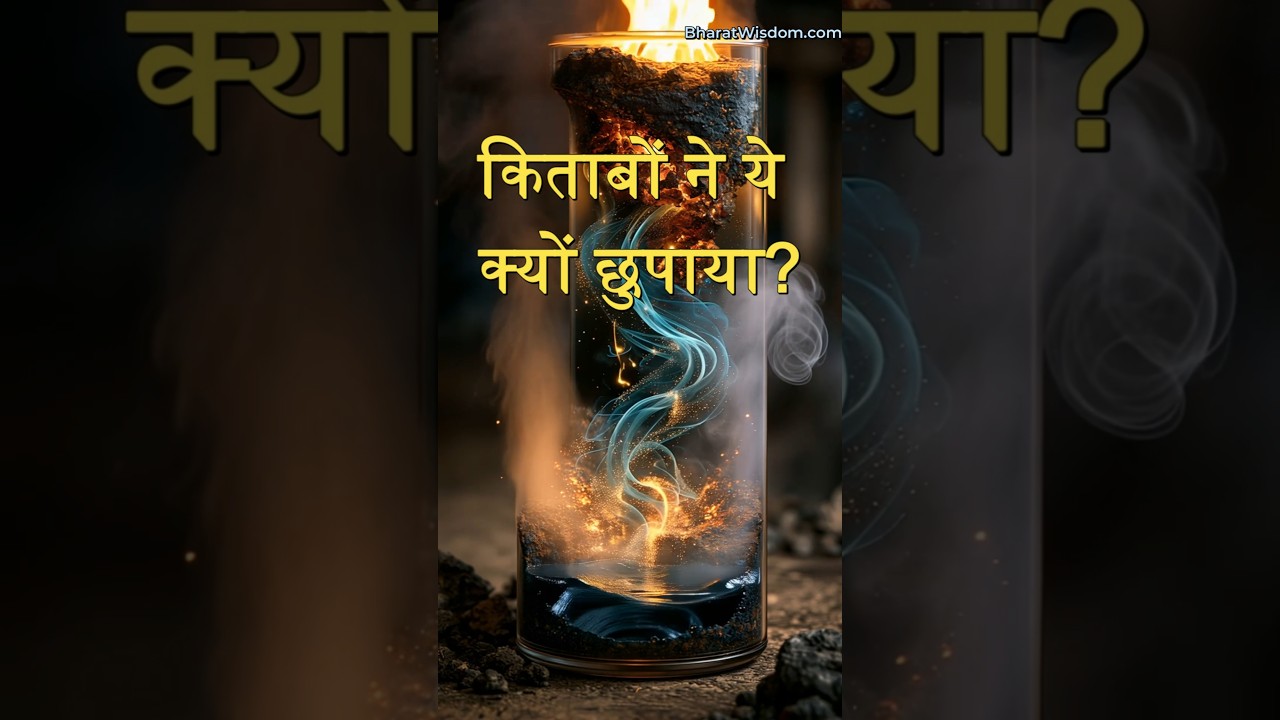
भारत की भूत धातु? जावर खदानों का रहस्य! 1टीपी15टीभारतीयइतिहास 1टीपी15टीशॉर्ट्स
2000 वर्ष पहले राजस्थान के जावर खदानों में भारतीयों ने हवा में लुप्त होने वाले 'जिंक' को कैसे बसाया? "डिसेंट द्वारा आसवन" तकनीक का यह महान भारतीय रहस्य हमारी मशीनरी में क्यों नहीं है? 📘 यह प्राचीन विज्ञान की पूरी कहानी मेरी पुस्तक के लिए पढ़ें: https://www.भारतwisdom.com/zerotogravity-book/ आपको क्या लगता है, इतिहास क्यों छिपाया गया? कमेंट में बताएं!
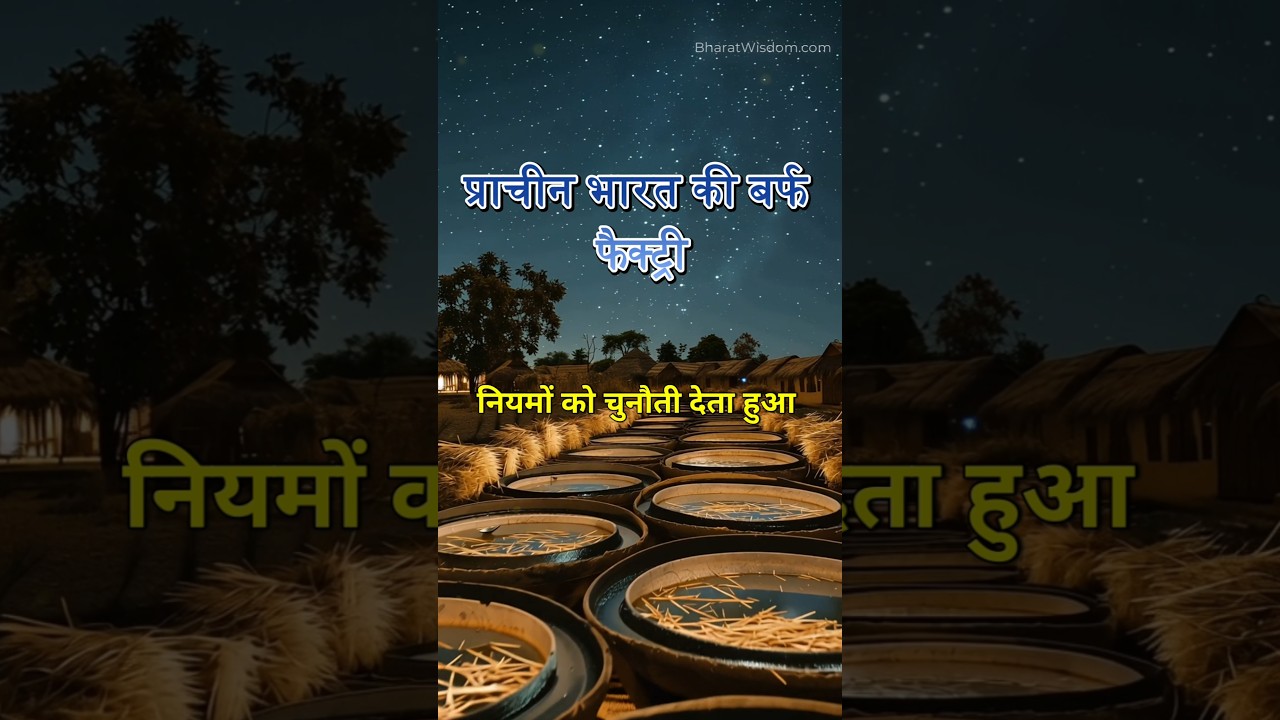
प्राचीन भारत में बिना बिजली की बर्फ कैसे दिखती थी? | प्राचीन क्रायोजेनिक्स का रहस्य
क्या आप जानते हैं कि प्राचीन भारतीय बिना किसी मशीन के भी रातों में बर्फ बना सकते थे? 🤯 1775 में सर रॉबर्ट बार्कर नाम के एक ब्रिटिश अधिकारी ने इलाहबाद में कुछ ऐसा देखा जो प्रकृति के अनुसार भारतीय लगता था: 41°F की गर्मी वाली रात में बर्फ बन रहे थे! उन्होंने यह कैसे किया? खुले मैदानों में पानी के उगे मिट्टी के बर्तनों पर, उन्होंने "रेडिएटिवा कूलिंग" (रेडिएटिव कूलिंग) नामक एक शानदार वैज्ञानिक सिद्धांत का उपयोग किया। पानी ने अपनी गर्मी को ठंडे, अंधेरी रात के आसमान में छोड़ दिया, जबकि पुआल ने इसे गर्म जमीन से ठंडा रखा। सुबह तक, पोएट्री पूरी तरह से बर्फ से भर गए थे। हजारों साल पहले इस प्राचीन वास्तुशिल्पी ने दुनिया की सबसे पहली कंपनी 'रेफ्रिजरेशन' की पेशकश की थी! प्राचीन भारतीय विज्ञान के इस अनकहे इतिहास की गहराई से जानें! यह वीडियो श्री नरसिम्हा पात्रुडु की पुस्तक ज़ीरो टू ग्रेविटी: द एंशिएंट इंडियन रूट्स ऑफ़ मॉडर्न साइंस पर आधारित है। प्राचीन भारतीय विज्ञान को जीवंत बनाने के लिए एआई का उपयोग करके कृत्रिम रूप से दृश्यों का पुनर्निर्माण किया गया। मेरी पुस्तक ज़ीरो टू ग्रेविटी पर आधारित शोध। 📚 अधिक जानकारी के लिए हमारी वेबसाइट पर जाएँ: https://www.BharatWisdom.com जीरो टू ग्रेविटी बुक: https://www.भारतwisdom.com/zerotogravity-book/
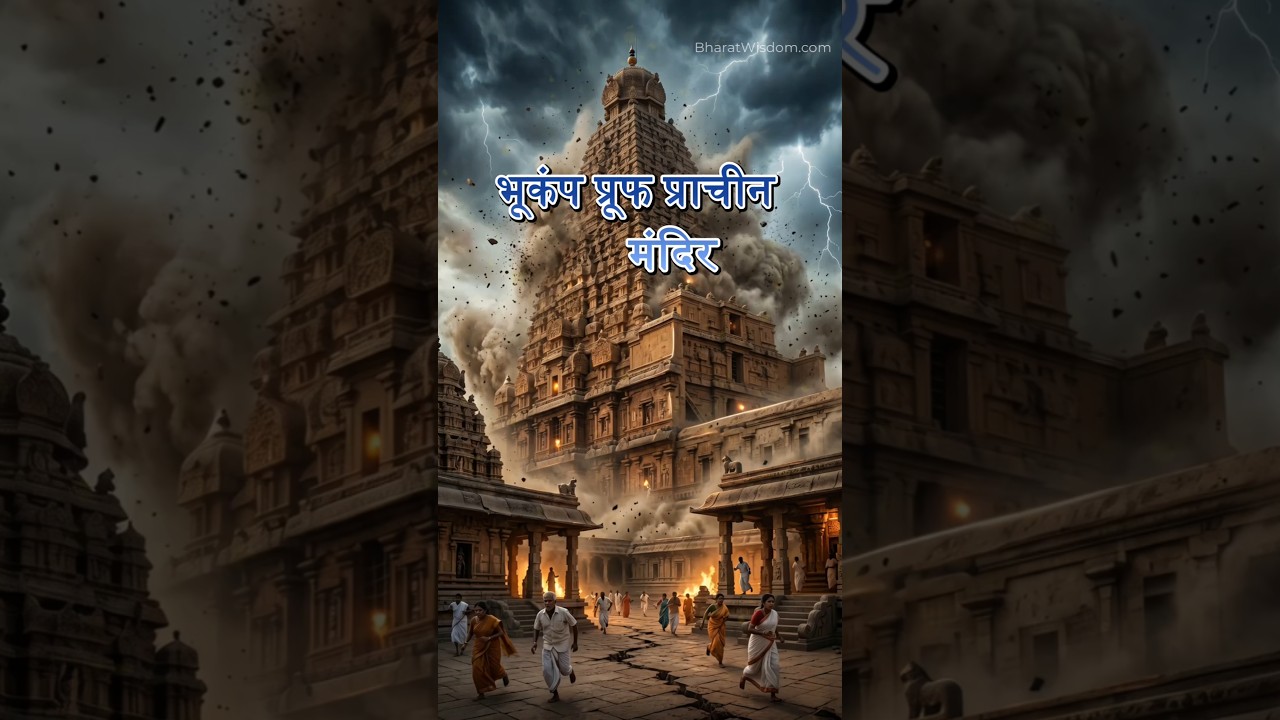
प्राचीन भारतीय मंदिर भूकंप में खंडित क्यों नहीं? | प्राचीन भूकंप तकनीक
क्या आप जानते हैं कि प्राचीन भारतीय चिकित्सकों ने ऐसे मंदिर बनाए थे जो भूकंप के झटकों के साथ 'डांस' कर सकते थे? 🤯आज की गगनचुंबी कंपनी कंपनी "सीस्मिक डैम्पर्स" (भूकंपीय डैम्पर्स) पर अस्वीकृत हैं, लेकिन बृहदेश्वर जैसे प्राचीन भारतीय मंदिर हज़ारों सागर से भूकंप सहते आ रहे हैं। इसका रहस्य "ड्राई मेसनरी" (सूखी चिनाई) है - जहां विशाल पादपों को बिना किसी पहेली के 3डी पेज की तरह जोड़ा गया था! भूकंप के दौरान हिलने और सुरक्षित रहने के कारण यह इमारत अपनी जगह पर आने की जानकारी देती है। रामप्पा जैसे चित्र में, उन्होंने "तैरती हुई ईंटें" का भी उपयोग किया जो इतनी लंबी थीं कि उनके अपने वजन से गिरती नहीं थीं। झटकों को देखने के लिए उन्होंने "सैंडबॉक्स टेक्नोलॉजी" (सैंडबॉक्स टेक्नोलॉजी) का उपयोग किया और ऐसे स्मारक बनाए जो उन्हें लंबे समय तक टिके रहे। प्राचीन भारतीय विज्ञान के इस अनकहे इतिहास की गहराई से जानें! यह वीडियो श्री नरसिम्हा पात्रुडु की पुस्तक ज़ीरो टू ग्रेविटी: द एंशिएंट इंडियन रूट्स ऑफ़ मॉडर्न साइंस पर आधारित है। प्राचीन भारतीय विज्ञान को जीवंत बनाने के लिए एआई का उपयोग करके कृत्रिम रूप से दृश्यों का पुनर्निर्माण किया गया। मेरी पुस्तक ज़ीरो टू ग्रेविटी पर आधारित शोध। 📚 अधिक जानकारी के लिए हमारी वेबसाइट पर जाएँ: https://www.BharatWisdom.com पुस्तक - ज़ीरो टू ग्रेविटी: https://www.भारतwisdom.com/zerotogravity-book/
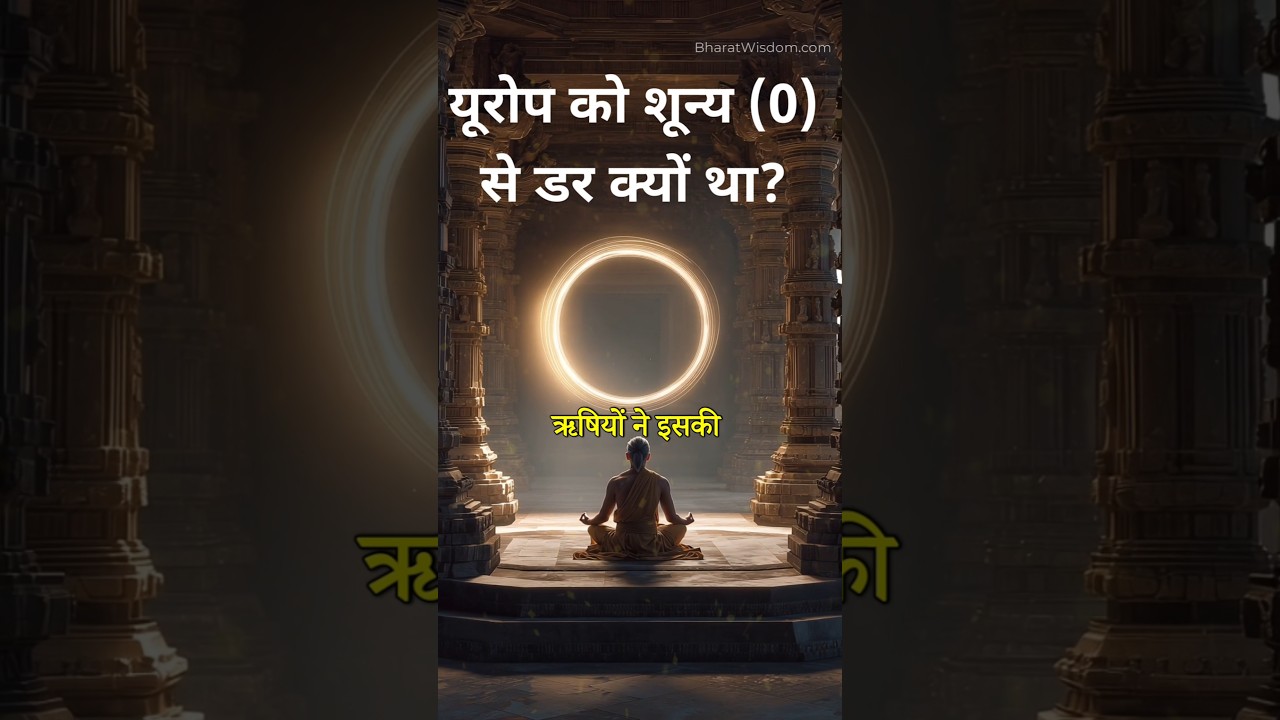
यूरोप ने 1299 में शून्य (Zero) को बैन क्यों किया था? | The True History of Zero in Hindi
साल 1299 में, यूरोप ने गणित के इतिहास की सबसे महत्वपूर्ण खोज को बैन कर दिया था! वे 'शून्य' या 'खालीपन' के विचार से इतने खौफजदा थे कि इसे शैतान का काम मानते थे । लेकिन इससे हजारों साल पहले, हमारे प्राचीन भारतीय ऋषियों ने इसकी असीम शक्ति को पहचान लिया था और इसे "शून्य" नाम दिया था । दुनिया के लिए एक खाली जगह सिर्फ एक खाली जगह थी, लेकिन वेदिक ऋषियों के लिए शून्य स्वयं शिव का प्रतिबिंब था—एक ऐसी संख्या जिसका अपना एक विशाल गणितीय मूल्य है । बाद में, फिबोनैचि (Fibonacci) नाम के एक इतालवी गणितज्ञ ने इस 'प्रतिबंधित' हिंदू ज्ञान को पश्चिम में पहुँचाया । शून्य के बिना आज कोई बाइनरी कोड नहीं है, कोई कैलकुलस नहीं है, और आज का यह डिजिटल युग भी संभव नहीं है । यहां तक कि महान वैज्ञानिक अल्बर्ट आइंस्टीन ने भी माना था, "हम भारतीयों के बहुत आभारी हैं, जिन्होंने हमें गिनना सिखाया" । हमारे पूर्वजों ने सिर्फ एक संख्या का आविष्कार नहीं किया, उन्होंने भविष्य का निर्माण किया! प्राचीन भारत के ऐसे ही 108 अद्भुत वैज्ञानिक रहस्यों को जानने के लिए श्री नरसिम्हा पात्रुडु द्वारा लिखित पुस्तक 'Zero to Gravity: The Ancient Indian Roots of Modern Science' पढ़ें । Visuals synthetically reconstructed using AI to bring ancient indian science to life. Research based on my book Zero To Gravity. 📚 किताब की लिंक कॉमेंट्स में दी गई है! 🌐 अधिक जानकारी के लिए हमारी वेबसाइट पर जाएँ: https://www.BharatWisdom.com
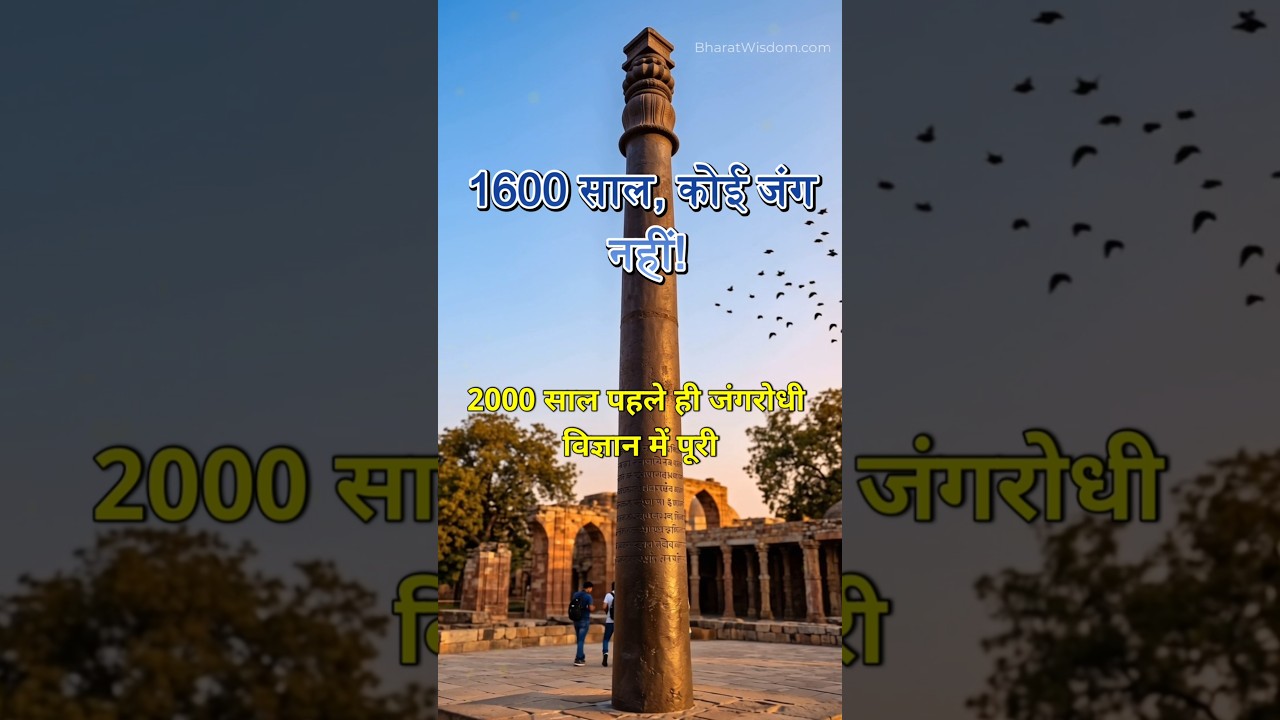
दिल्ली का 1,600 साल पुराना लौह स्तंभ जिसमें कभी जंग नहीं लगता | Ancient Indian Metallurgy
क्या आप जानते हैं कि दिल्ली के बीचों-बीच एक ऐसा विशाल लौह स्तंभ है जो 1,600 वर्षों से अधिक समय से धूप और बारिश सहने के बावजूद बिल्कुल जंग मुक्त है? 🤯 लोहा हवा और नमी के संपर्क में आने पर प्राकृतिक रूप से खराब हो जाता है । लेकिन जहां उसी काल का पश्चिमी लोहा धूल में मिल गया, वहीं गुप्त काल की यह उत्कृष्ट कृति आज भी शान से खड़ी है । सदियों तक पश्चिमी वैज्ञानिक इसे देखकर हैरान थे! इसका रहस्य "कोरोजन साइंस" (corrosion science) में प्राचीन भारतीय महारत में छिपा है । प्राचीन लोहारों ने लोहे को गर्म करके पीटने (forge welding) की तकनीक का इस्तेमाल किया और धातु की सतह पर एक "पैसिवेशन" (passivation) परत बनाने के लिए फॉस्फोरस का उच्च स्तर बनाए रखा । यह परत लोहे को जंग से बचाने वाले एक अदृश्य कवच का काम करती है। यह प्राचीन ज्ञान उसी 'कोरोजन साइंस' का आधार है जो आज हमारे आधुनिक पुलों और पाइपलाइनों की रक्षा करता है! प्राचीन भारतीय विज्ञान के इस अनकहे इतिहास को गहराई से जानें! यह वीडियो श्री नरसिम्हा पात्रुडु की पुस्तक Zero to Gravity: The Ancient Indian Roots of Modern Science पर आधारित है । Visuals synthetically reconstructed using AI to bring ancient indian science to life. Research based on my book Zero To Gravity. 📚 अधिक जानकारी के लिए हमारी वेबसाइट पर जाएँ: https://www.BharatWisdom.com
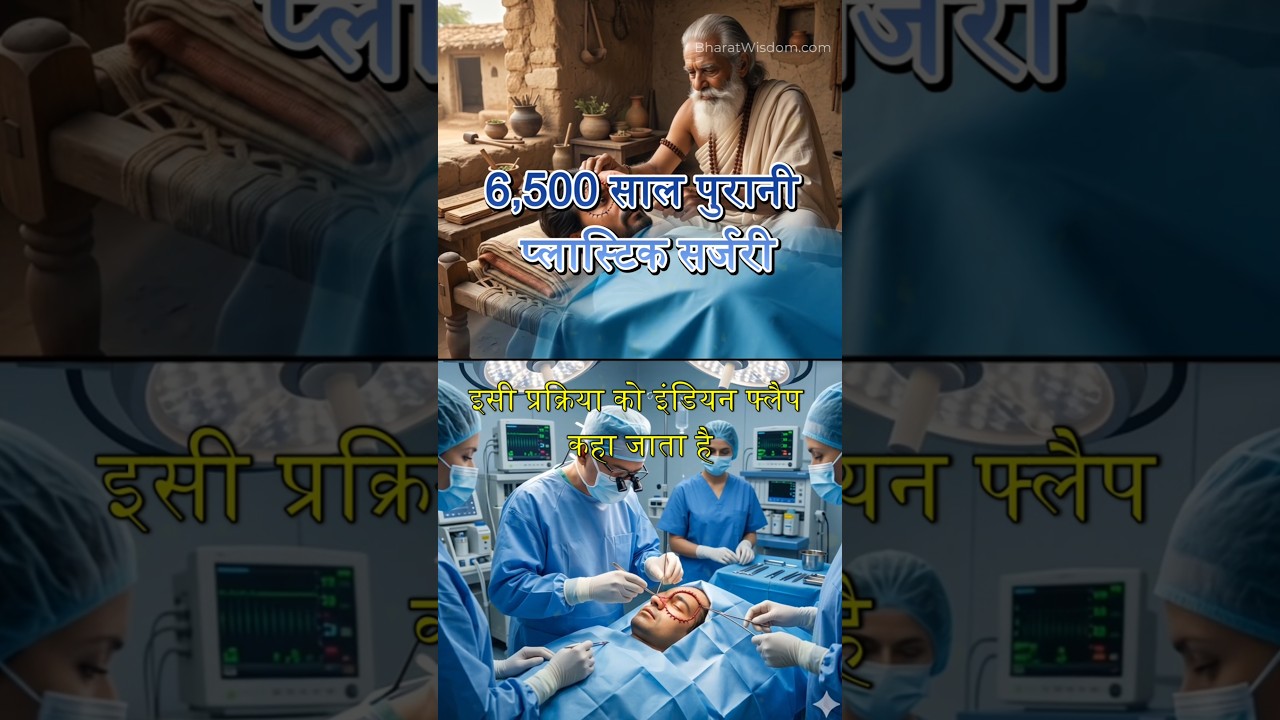
प्राचीन भारत ने कैसे किया प्लास्टिक सर्जरी का आविष्कार? (6,500 साल पहले) | सुश्रुत विधि
क्या आप जानते हैं कि आधुनिक प्लास्टिक सर्जरी का आधार वास्तव में प्राचीन भारत में रखा गया था? 🤯 1793 में, दो ब्रिटिश डॉक्टरों ने एक साधारण भारतीय कुम्हार को एक चमत्कार करते देखा: उसने एक सैनिक की कटी हुई नाक को फिर से जोड़ दिया था । लेकिन यह कोई नई तकनीक नहीं थी—यह प्राचीन सुश्रुत विधि थी, जिसे 6,500 साल से भी पहले लिखा गया था! आधुनिक ऑपरेशन रूम से बहुत पहले, प्राचीन सर्जन सुश्रुत ने यह जान लिया था कि माथे या गाल से त्वचा का एक हिस्सा (flap) लेकर उसे नाक पर लगाया जा सकता है । सबसे खास बात? वे जानते थे कि घाव भरने तक रक्त संचार सुचारू रखने के लिए त्वचा को एक 'पेडिकल' (pedicle) से जुड़ा रहना चाहिए । आज भी, इस सटीक तकनीक को पूरी दुनिया में "इंडियन फ्लैप" (Indian Flap) के रूप में जाना जाता है और यह आधुनिक प्लास्टिक सर्जरी का एक प्रमुख हिस्सा है । प्राचीन भारतीय विज्ञान के इस अनकहे इतिहास को गहराई से जानें! यह वीडियो श्री नरसिम्हा पात्रुडु (Sri Narasimha Patrudu) की पुस्तक Zero to Gravity: The Ancient Indian Roots of Modern Science पर आधारित है । Visuals synthetically reconstructed using AI to bring ancient indian science to life. Research based on my book Zero To Gravity. 📚 अधिक जानकारी के लिए हमारी वेबसाइट पर जाएँ: BharatWisdom.com

भारत की भूत धातु? मेरे लिए यह एक अच्छा विचार है! 1टीपी15टीभारतीयइतिहास 1टीपी15टीशॉर्ट्स
एक नया क्रेडिट कार्ड डाउनलोड करें 'జిత్తులమారి లోహం' జింక్. वर्ष 2000 का दूसरा वर्ष वीडियो टैग एक अच्छा विचार प्राप्त करें. "उतरण द्वारा आसवन" और अधिक पढ़ें क्या हुआ? 📘 తెలుసుకోవాలంటే నా పుస్తకం చదవండి: https://www.bhartwisdom.com/zerotogravity-book/ मेरे पास एक अच्छा विकल्प है!
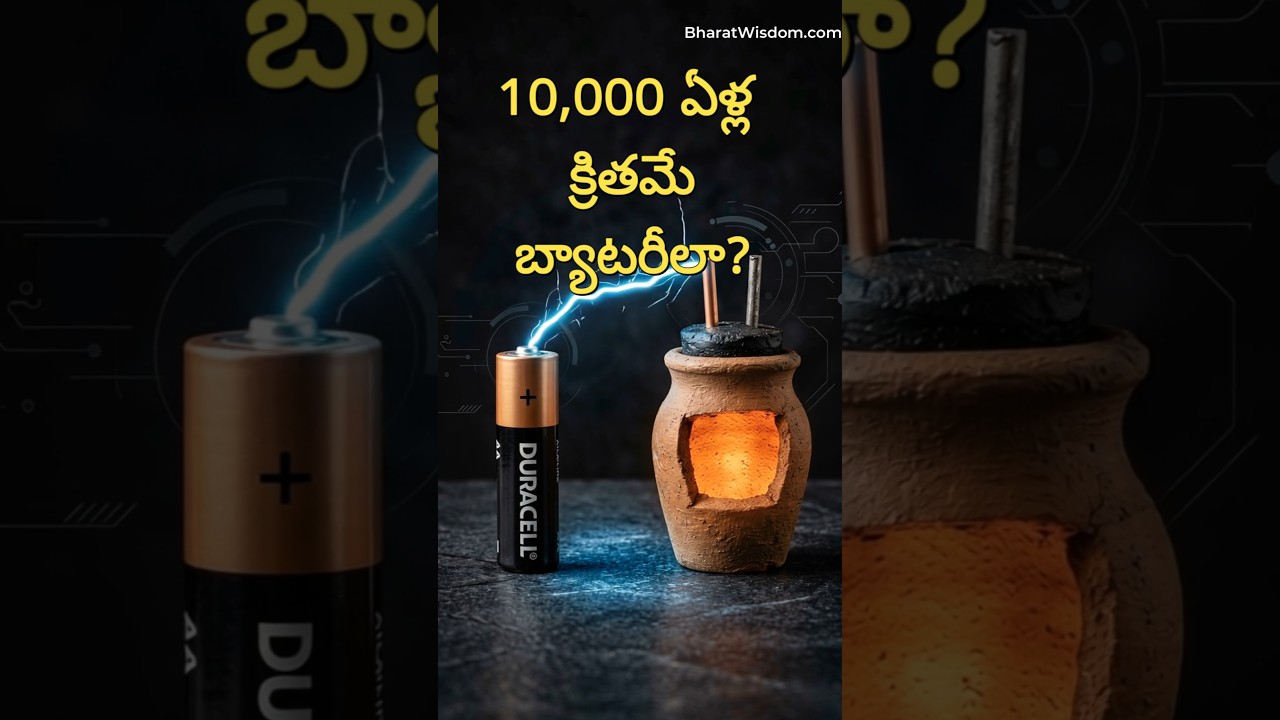
1800 करोड़ रुपये, 1800 करोड़ रुपये की छूट बहुत बढ़िया! ⚡ | प्राचीन भारतीय बैटरी
बैटरी बैटरी (इलेक्ट्रिक बैटरी) 1800 मिलियन प्रति एलेसांद्रो वोल्टा (एलेसेंड्रो वोल्टा) के साथ एक साक्षात्कार में లో धन्यवाद. ठीक है, मेरे पास एक अच्छा विचार है अगस्त्य संहिता "అగస్త్య సంహిత" (अगस्त्य संहिता) సెల్ ని తయారుచేసే और अधिक ठीक है! 🤯 तांबे की प्लेट (तांबे की प्लेट), तांबे की प्लेट (कॉपर सल्फेट), कॉपर सल्फेट (नमी चूरा), अन्य पाउडर ठीक है विद्युत ऊर्जा (जस्ता-पारा मिश्रण) विद्युत ऊर्जा (बिजली) और पढ़ें कृपया! मित्र-वरुण और मित्र-वरुण और भी बहुत कुछ. ठीक है, एक और विकल्प चुनें, एक ही समय में एक ही बार में, एनोड (एनोड और) कैथोड) కి సంకేతం. मोबाइल फोनों के लिए क्रेडिट कार्ड डाउनलोड భారతదేశంలో ఇలాంటి ఎన్నో అద్భుతమైన उत्तर बहुत बढ़िया. और अधिक पढ़ें 'जीरो टू ग्रेविटी: द एंशिएंट इंडियन रूट्स ऑफ मॉडर्न साइंस' का अगला संस्करण।प्राचीन भारतीय विज्ञान को जीवन में लाने के लिए एआई का उपयोग करके कृत्रिम रूप से दृश्यों का पुनर्निर्माण किया गया। मेरी पुस्तक ज़ीरो टू ग्रेविटी पर आधारित शोध। 📚 एक और पोस्ट देखें डाउनलोड करें उत्तर: https://BharatWisdom.com जीरो टू ग्रेविटी पुस्तक: https://www.bhartwisdom.com/zerotogravity-book/
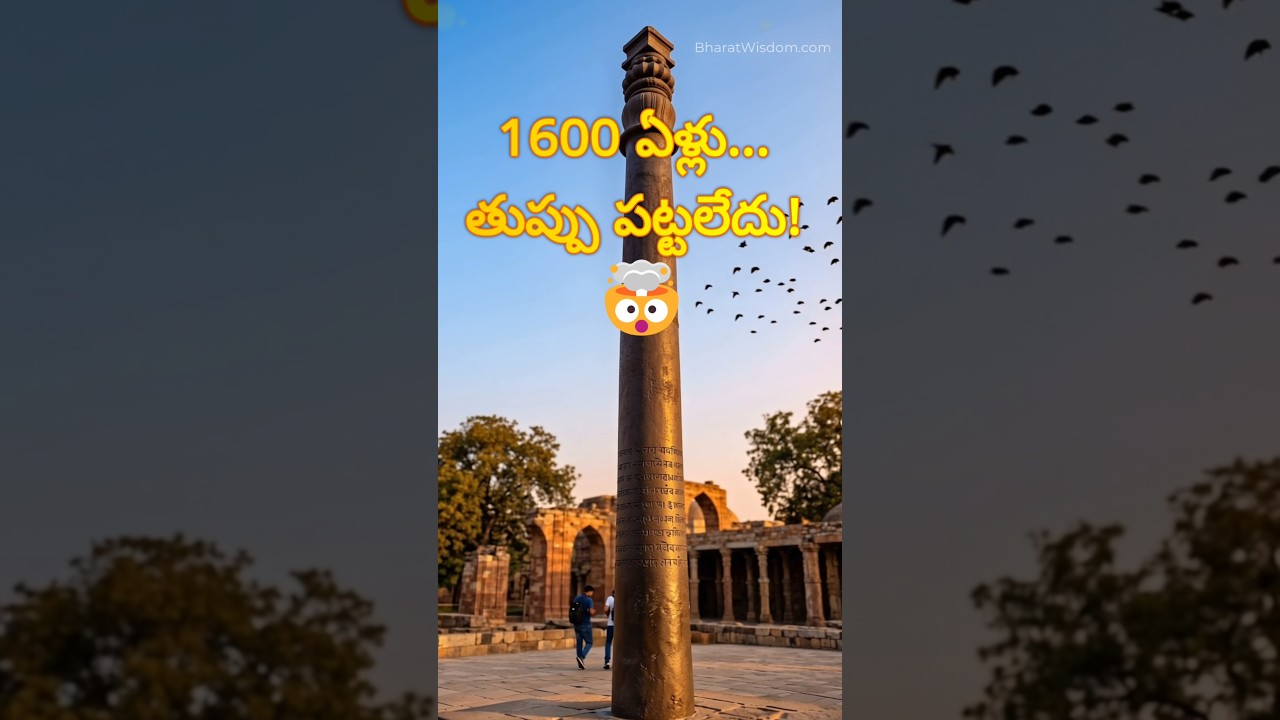
1600 करोड़ रुपये का अतिरिक्त शुल्क! यह एक अच्छा विचार है! 🤯
एक और विकल्प देखें यह एक अच्छा विचार है. अतिरिक्त, अतिरिक्त शुल्क 1,600 क्रेडिट कार्ड क्रेडिट कार्ड, क्रेडिट कार्ड मेरे लिए यह एक अच्छा विकल्प है! एक नया विज्ञापन डाउनलोड करें क्रेडिट कार्ड, क्रेडिट कार्ड और क्रेडिट कार्ड धन्यवाद क्या आपको कोई समस्या है? और पढ़ें "निष्क्रियता" (निष्क्रियता). और अधिक पढ़ें फास्फोरस की खुराक (फास्फोरस) धन्यवाद, और भी बहुत कुछ यह एक अच्छा विचार है. स्टील स्टेनलेस स्टील (स्टेनलेस स्टील) स्टील वर्ष 1900 ई.पू., वर्ष 1900 ई. यह एक अच्छा विचार है. एक और वीडियो देखें पाठ "संक्षारण विज्ञान" (संक्षारण विज्ञान) और సాధించిన ఈ एक और वीडियो देखें धन्यवाद. एक और अधिक पढ़ें एक और वीडियो देखें हाँ 'Zero to Gravity: The Ancient Indian Roots of Modern Science' नामक पुस्तक का निर्माण किया गया है। प्राचीन भारतीय विज्ञान को जीवंत बनाने के लिए कृत्रिम बुद्धिमत्ता का उपयोग करके कृत्रिम रूप से पुनर्निर्मित दृश्य। यह शोध मेरी पुस्तक 'Zero To Gravity' पर आधारित है। 📚 एक और पोस्ट देखें डाउनलोड करें उत्तर: https://BharatWisdom.com जीरो टू ग्रेविटी पुस्तक: https://www.bhartwisdom.com/zerotogravity-book/
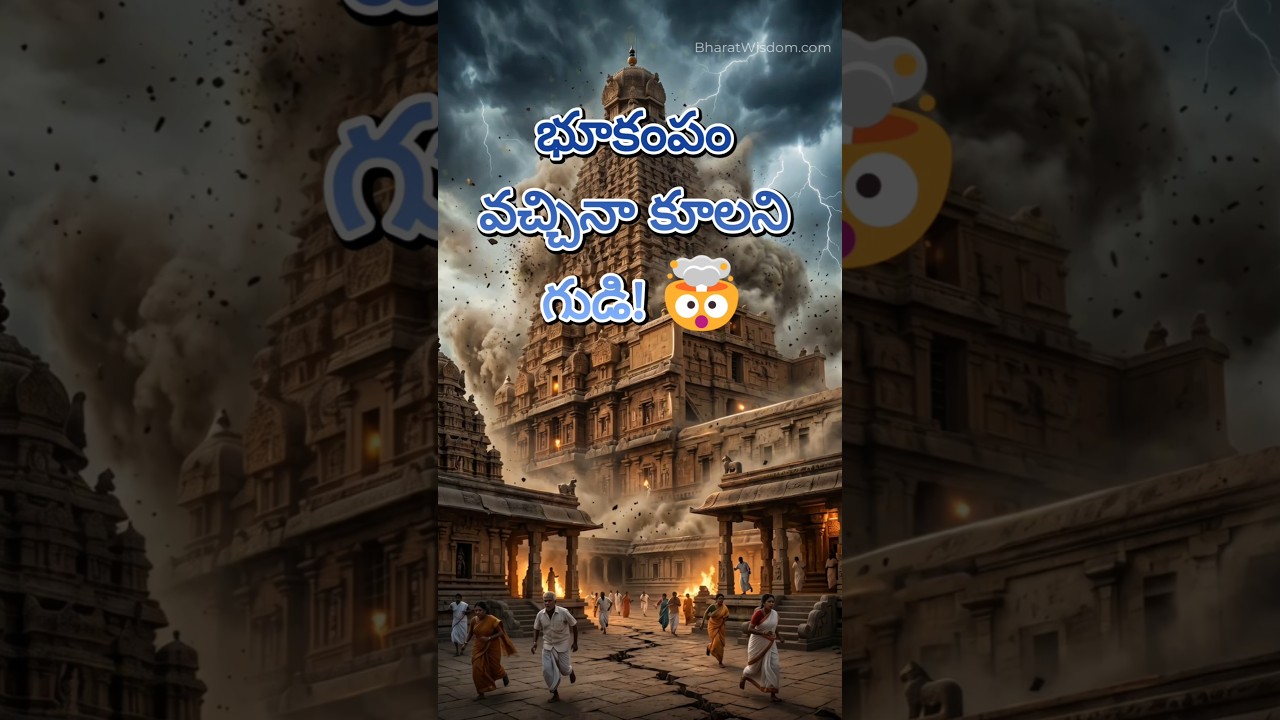
मेरे पास एक अच्छा विकल्प है! | प्राचीन भूकंपरोधी वास्तुकला
गगनचुंबी इमारतें (गगनचुंबी इमारतें) తట్టుకోవడానికి ఎంతో ఖరీదైన "సీస్మిక్ भूकंपीय डैम्पर्स" बहुत बढ़िया. और भी बहुत कुछ एक वर्ष से अधिक समय तक ऋण प्राप्त करना उत्तर मेरे पति, मेरे पति और मेरे दोस्त एक और अधिक पढ़ें ठीक है? सूखी चिनाई "सूखी चिनाई" (सूखी चिनाई) "सैंडबॉक्स टेक्नोलॉजी" (सैंडबॉक्स टेक्नोलॉजी)। क्रेडिट कार्ड डाउनलोड, क्रेडिट कार्ड इंटरलॉकिंग जोड़ इंटरलॉकिंग जोड़ వల్ల एक और अधिक पढ़ें (फ्लेक्स) क्रेडिट कार्ड. फिर भी, एक और विकल्प चुनें फ्लोटिंग ईंटें (फ़्लोटिंग ईंटें) उत्तर सैंडबॉक्स डाउनलोड करें (सैंडबॉक्स) डाउनलोड धन्यवाद! एक और अधिक पढ़ें एक और वीडियो देखें 'जीरो टू ग्रेविटी: द एंशिएंट इंडियन रूट्स ऑफ मॉडर्न साइंस' की अगली पोस्ट बहुत बढ़िया. प्राचीन भारतीय विज्ञान को जीवंत बनाने के लिए एआई का उपयोग करके कृत्रिम रूप से दृश्यों का पुनर्निर्माण किया गया। मेरी पुस्तक ज़ीरो टू ग्रेविटी पर आधारित शोध। 📚 एक और पोस्ट देखें डाउनलोड करें: https://BharatWisdom.com
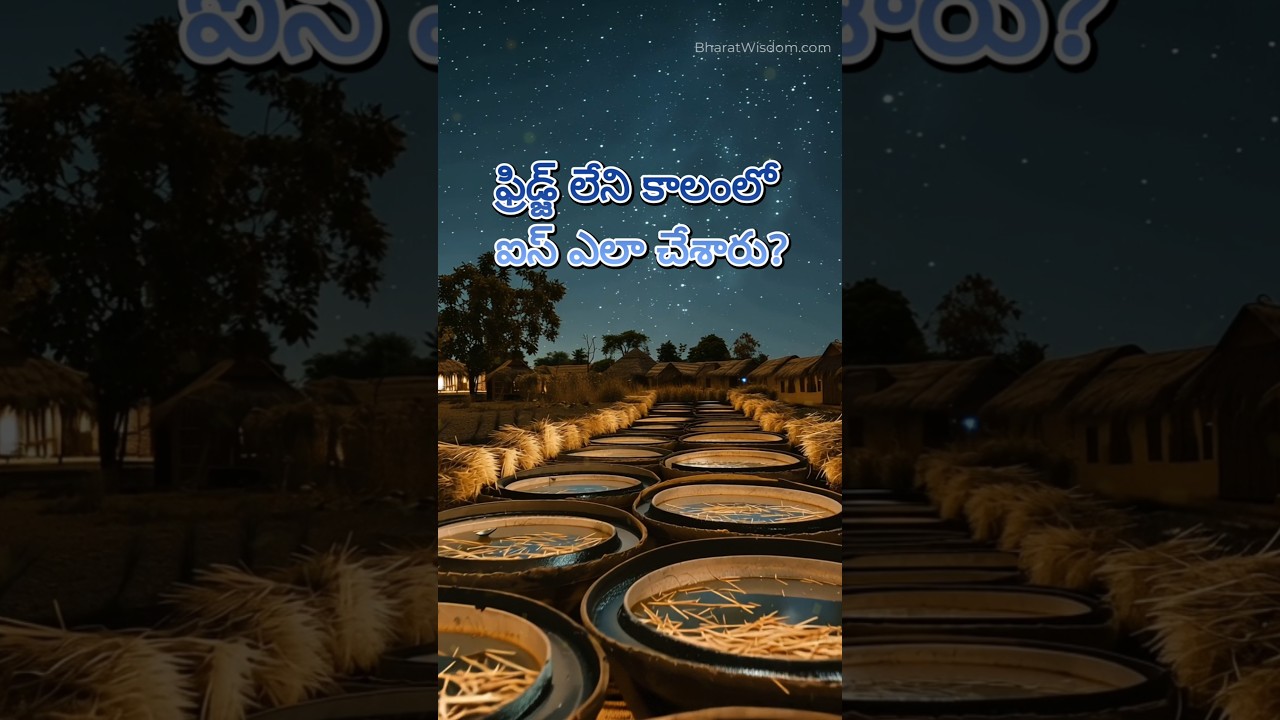
కరెంటు లేకుండా ప్రాచీన భారతీయులు మంచు (Ice) ఎలా తయారు చేశారు? | Ancient Indian Thermodynamics
ఫ్రిడ్జ్ మరియు కరెంటు లేని ఆ కాలంలో, వేడిగా ఉండే మన భారతదేశంలో మంచు (Ice) ఎలా తయారు చేశారో మీకు తెలుసా? 🧊 ఇది ఏమాత్రం మ్యాజిక్ కాదు, అద్భుతమైన ప్రాచీన భారతీయ థర్మోడైనమిక్స్ (Thermodynamics)! 18వ శతాబ్దంలో బ్రిటిష్ వారు భారతదేశానికి వచ్చినప్పుడు, ఇక్కడి ప్రజలు కేవలం మట్టి పాత్రలు, ఎండుగడ్డిని ఉపయోగించి సులభంగా ఐస్ తయారు చేయడం చూసి ఆశ్చర్యపోయారు. చలికాలంలో రాత్రిపూట ఓపెన్ గ్రౌండ్లో నిస్సారమైన (shallow) మట్టి కుండలలో నీరు పోసి, వాటిని గడ్డిపై ఉంచేవారు. "ఎవాపరేటివ్ కూలింగ్" (Evaporative cooling) మరియు "నైట్ స్కై రేడియేషన్" సూత్రాలను ఉపయోగించి, వాతావరణ ఉష్ణోగ్రత సున్నా (0°C) కంటే ఎక్కువగా ఉన్నప్పటికీ మంచును సృష్టించే అద్భుతమైన సాంకేతికత మన భారతీయుల సొంతం! విద్యుత్ లేని ఆ కాలంలోనే ఈ స్థాయి సైన్స్ వాడటం నిజంగా మనందరికీ గర్వకారణం. ప్రాచీన భారతదేశపు ఇలాంటి ఎన్నో అద్భుతమైన శాస్త్రీయ రహస్యాలను శ్రీ నరసింహ పాత్రుడు గారు రచించిన 'Zero to Gravity: The Ancient Indian Roots of Modern Science' పుస్తకంలో చదవండి. Visuals synthetically reconstructed using AI to bring ancient indian science to life. Research based on my book Zero To Gravity. 📚 మరింత సమాచారం కోసం మరియు పుస్తకం కోసం మా వెబ్సైట్ను సందర్శించండి: https://BharatWisdom.com
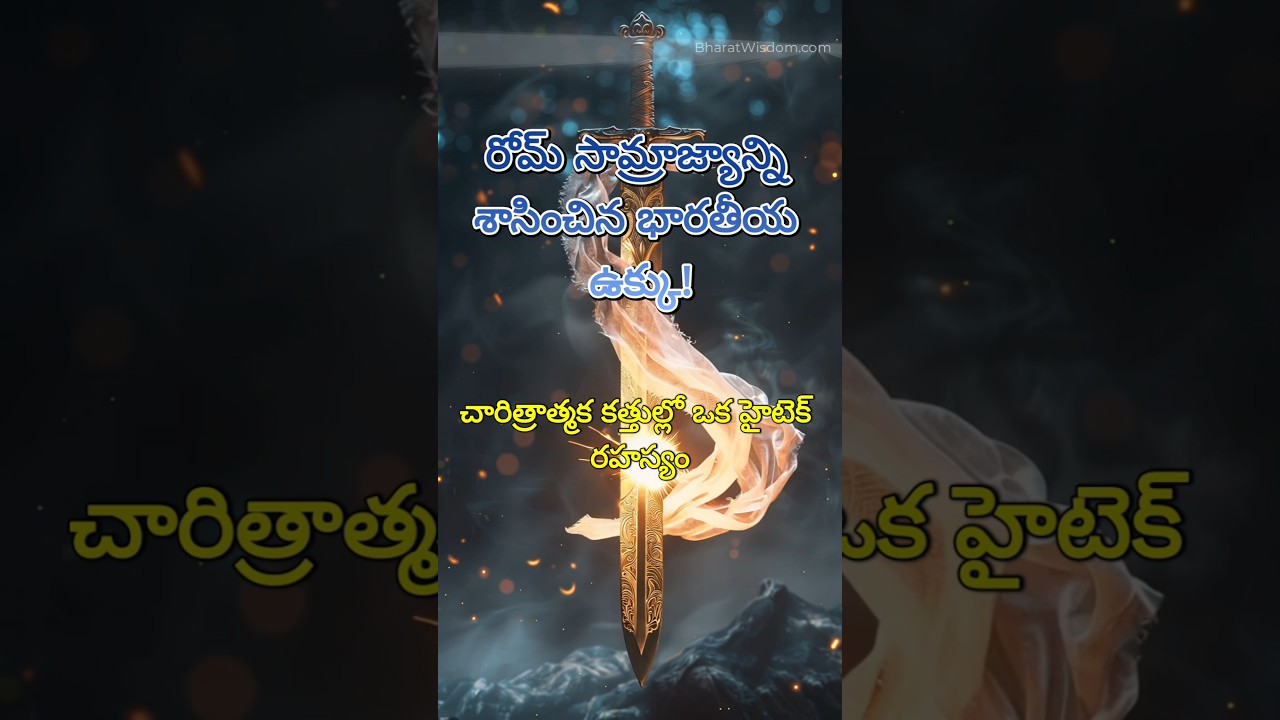
వుూట్జ్ స్టీల్: ప్రపంచాన్ని ఆశ్చర్యపరిచిన ప్రాచీన భారతీయ లోహశాస్త్రం! | The Story of Wootz Steel
ఆధునిక ఇండస్ట్రియల్ రెవల్యూషన్కు కొన్ని శతాబ్దాల ముందే, ప్రాచీన భారతదేశం ప్రపంచంలోనే అత్యుత్తమ నాణ్యత గల ఉక్కును తయారు చేసిందని మీకు తెలుసా? 🤯 దీనినే "వుూట్జ్ స్టీల్" (Wootz Steel) అని పిలుస్తారు. క్రీస్తు పూర్వం 6వ శతాబ్దం నుండే, దక్షిణ భారతదేశంలోని కడప, ఇనుప ఖనిజం లభించే ప్రాంతాలలో మన లోహ శాస్త్రవేత్తలు (Metallurgists) ఈ అద్భుతమైన ఉక్కును తయారు చేశారు. మట్టి మూసలలో (Crucibles) ఇనుమును కార్బన్ అధికంగా ఉండే పదార్థాలతో కలిపి, అత్యధిక ఉష్ణోగ్రత వద్ద కరిగించి తయారు చేసే ఈ విధానం ప్రపంచంలోనే మొట్టమొదటి "క్రూసిబుల్ స్టీల్ మేకింగ్ ప్రొసెస్". ఈ ఉక్కుతో చేసిన కత్తులు ఎంత పదునుగా ఉండేవో, ఎంత బలంగా ఉండేవో వర్ణించడానికి చారిత్రక ఆధారాలు ఎన్నో ఉన్నాయి. రోమన్ సామ్రాజ్యం నుండి అలెగ్జాండర్ ది గ్రేట్ వరకు ప్రతి ఒక్కరూ ఈ భారతీయ ఉక్కును గొప్పగా తలచారు. ప్రసిద్ధ "డమాస్కస్ కత్తులు" (Damascus Swords) కూడా ఈ వుూట్జ్ స్టీల్ ఇంజట్ల నుండే తయారు చేయబడ్డాయి. పాశ్చాత్య శాస్త్రవేత్తలు ఈ ఉక్కు రహస్యాన్ని ఛేదించడానికి శతాబ్దాల పాటు ప్రయత్నించారు! ప్రాచీన భారతదేశపు ఇలాంటి ఎన్నో అద్భుతమైన లోహశాస్త్ర మరియు శాస్త్రీయ రహస్యాలను శ్రీ నరసింహ పాత్రుడు గారు రచించిన 'Zero to Gravity: The Ancient Indian Roots of Modern Science' పుస్తకంలో చదవండి. Visuals synthetically reconstructed using AI to bring ancient indian science to life. Research based on my book Zero To Gravity. 📚 మరింత సమాచారం కోసం మరియు పుస్తకం కోసం మా వెబ్సైట్ను సందర్శించండి: https://BharatWisdom.com