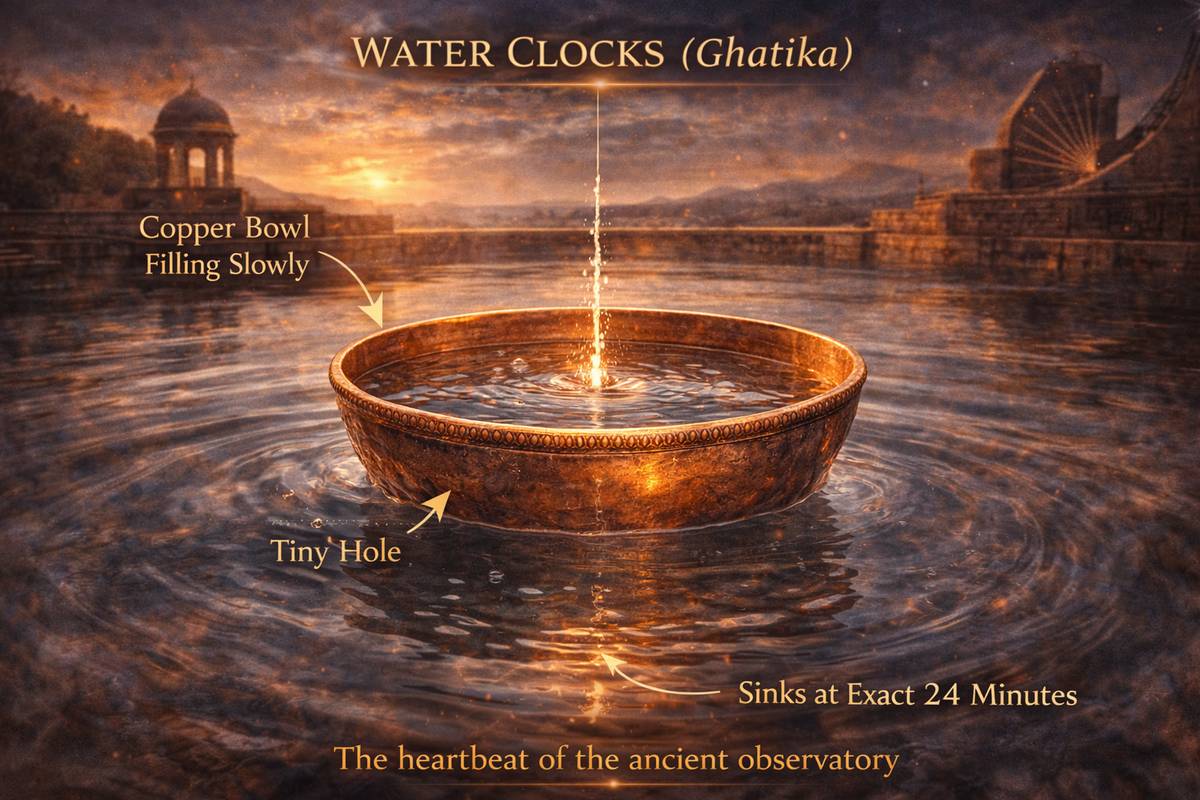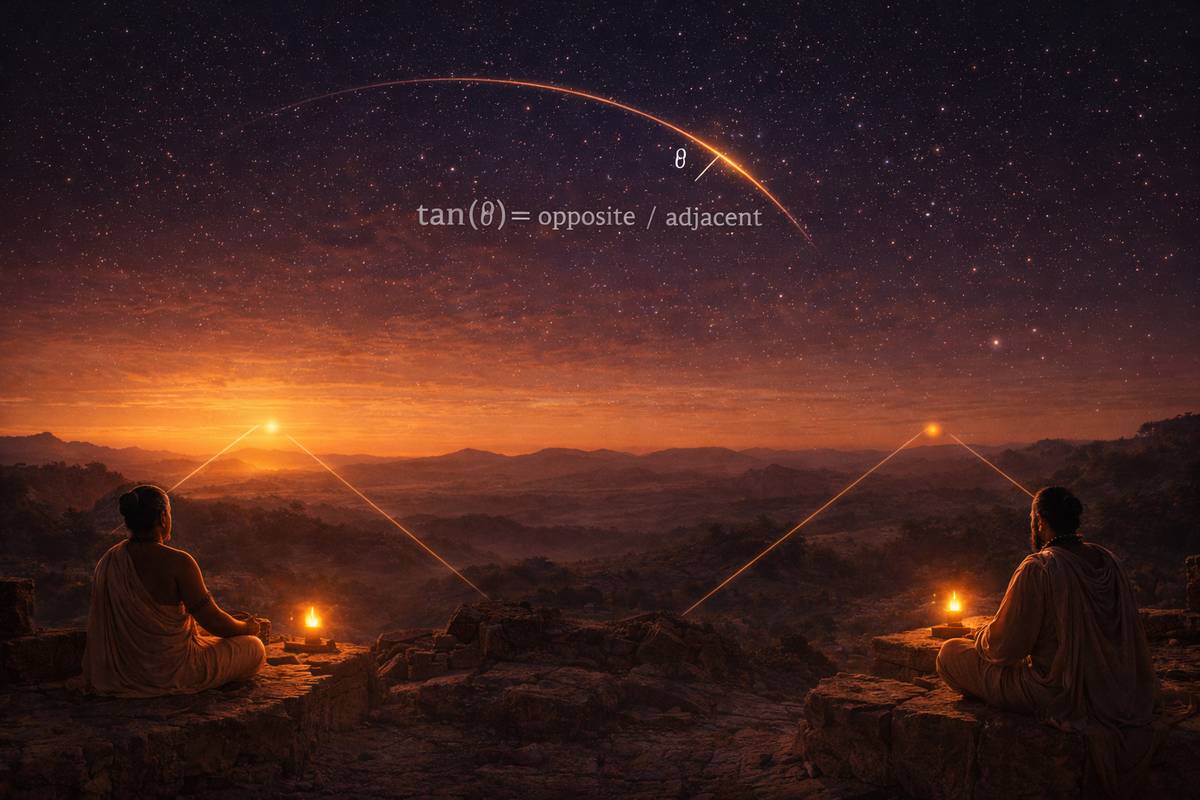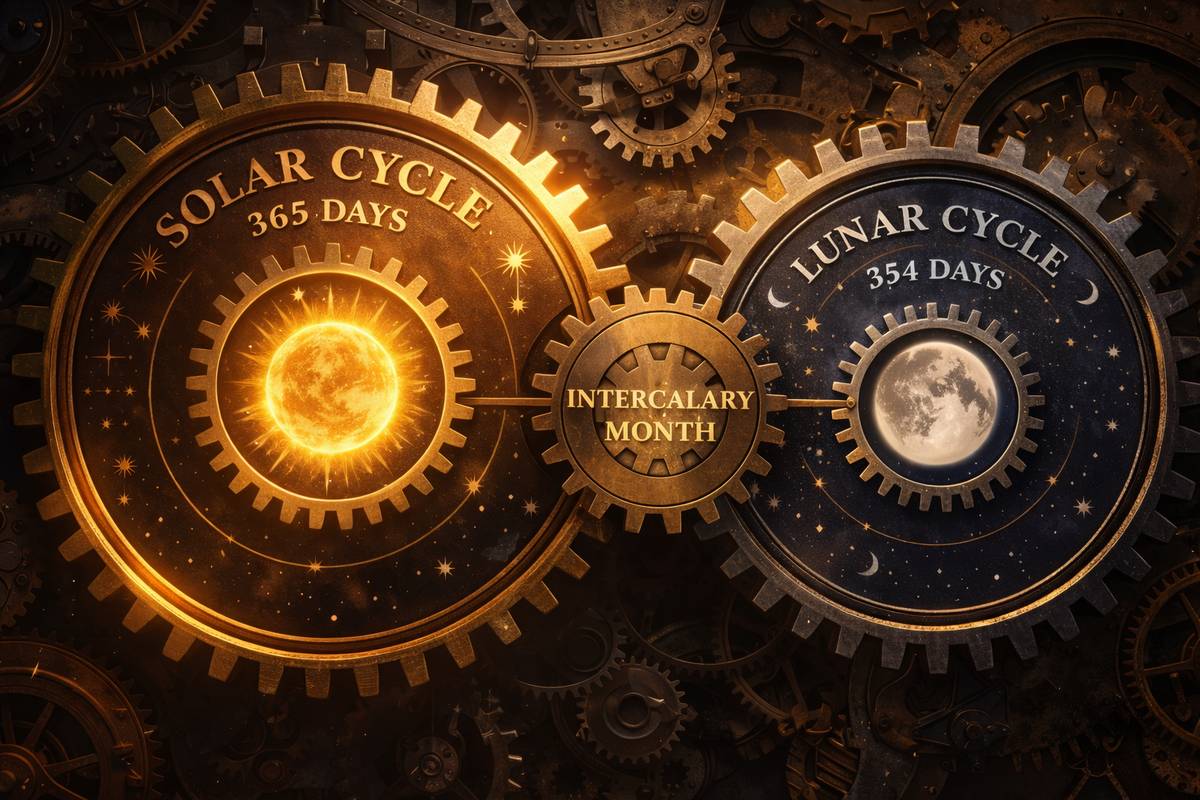
Astronomy in ancient India was not merely the study of stars—it was a foundational science that shaped timekeeping, calendars, rituals, and the understanding of the universe itself. Through careful observation and mathematical reasoning, ancient scholars developed systems to track planetary motion, measure time, and map the sky with remarkable precision.
What makes this tradition unique is its integration of observation, mathematics, and philosophy. The cosmos was not only observed but interpreted as a structured, interconnected system—where motion, time, and space followed identifiable patterns. This page explores that system through key themes, offering a structured gateway into one of the world’s oldest scientific traditions.